
The One-Sentence Rule
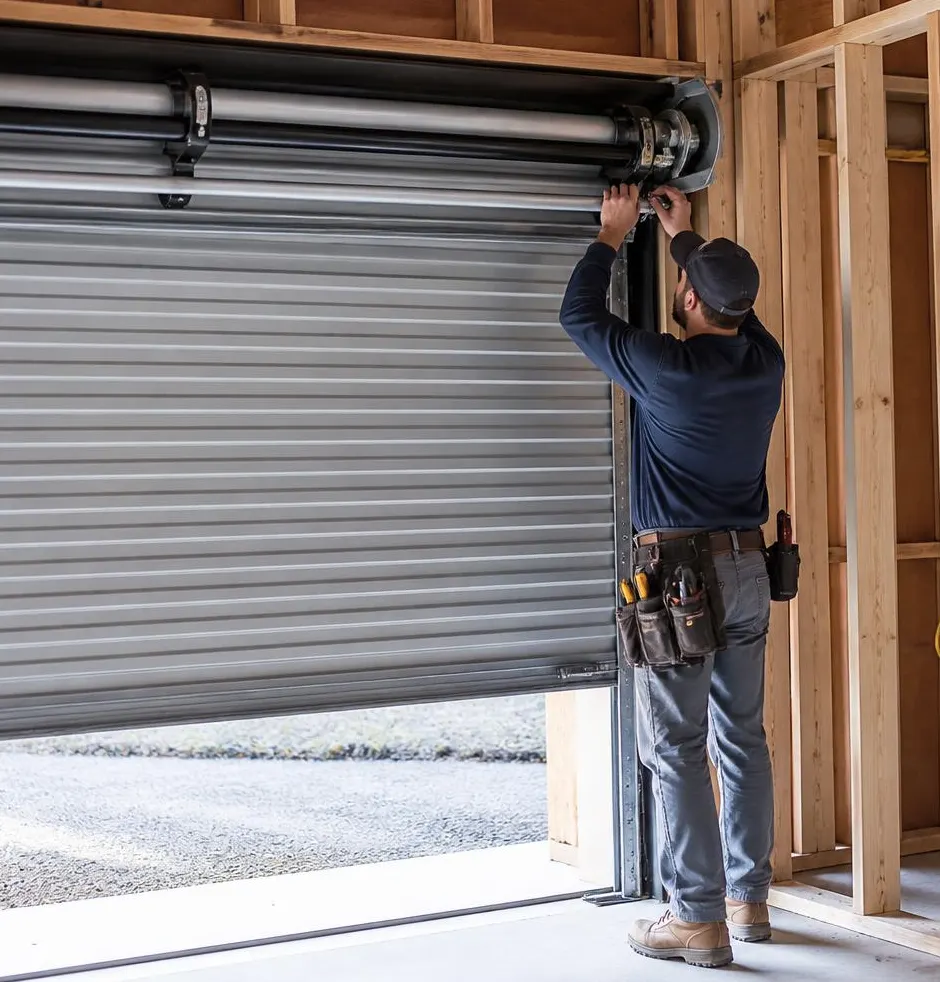
Commercial and warehouse overhead doors are built for constant, heavy-duty use and are maintained on a much tighter schedule than residential garage doors, which are engineered mainly for weather protection and occasional daily cycles.
But Here's Where It Gets Messy
If your spouse is arguing that "a garage door is a garage door," they're not entirely wrong—there's overlap. Some higher-end residential doors use commercial-grade steel or heavier-gauge torsion springs, especially on oversized doors for RVs or workshops. And some small commercial buildings, like a strip-mall storage unit, actually use a residential-style door because the usage is light. So the line isn't about where the door sits—it's about how hard it works.
What Actually Separates the Two
Cycle Life
A residential door might open and close 3-5 times a day. A warehouse loading dock door can cycle 20-50+ times daily. Commercial doors use higher-cycle springs and heavier-duty opener motors rated for that workload—residential components would burn out fast under that use.
Construction and Gauge
Commercial doors are typically built from thicker steel, sometimes with reinforced tracks and heavier hinges, to handle frequent impact from forklifts, pallets, or delivery traffic. Residential doors prioritize insulation and curb appeal over brute durability.
Spring Systems
Both use torsion springs, but commercial doors often run on larger-diameter springs or dual spring setups rated for thousands more cycles. This matters a lot here, since our summers push torsion springs hard with heat expansion, and sudden hailstorms or wind gusts can rack a door sideways and stress the spring system further.
Wind and Weather Load
Commercial overhead doors, especially on exposed warehouses, are often rated for higher wind loads because of their size and the open bays they sit in. Oklahoma's wind and sudden severe storms mean a commercial door's wind bracing isn't optional—it's what keeps a large door from buckling during a straight-line wind event.
Opener Duty Cycle
Residential openers are built for intermittent use. Commercial openers are rated for continuous or heavy-duty cycling, often with reinforced gear trains and sensors tuned for larger, heavier doors.
Maintenance: Not the Same Checklist
Here's the part that actually settles most arguments—how often each type needs attention.
- Residential doors: A seasonal check is usually enough—lubricating rollers and hinges, checking balance, and inspecting weatherstripping before summer heat and before any cold snaps.
- Commercial doors: These need more frequent inspection, often monthly or quarterly depending on use, because the higher cycle count wears springs, cables, and rollers faster. A warehouse door that fails mid-shift isn't just inconvenient—it can shut down deliveries or create a security gap.
Dust and grit are also a bigger issue for commercial doors with frequent traffic, since tracks accumulate debris faster. Combined with Oklahoma's dust and wind, that means commercial tracks need cleaning and lubrication more often than a quiet residential door that only opens for the morning commute.
Why This Matters for Your Argument
If the debate started because one of you wants to treat your home garage door like it never needs attention ("it's basically a warehouse door, it'll be fine"), the truth cuts the other way: home doors cycle less, but they're also built lighter, which means neglect shows up faster, not slower. Skipping maintenance on a residential door because "commercial doors go forever without service" is backwards—it's the high-cycle commercial doors that get the frequent attention, precisely because they can't afford to fail.
When to Call Oklahoma City Door & Opener
If you're running a business with a loading dock or shop door that's cycling dozens of times a day, don't wait for a failure during business hours. Our Commercial Garage Door Service covers inspections, spring upgrades, and opener servicing built for heavy-use schedules. For homeowners, our Garage Door Maintenance visits catch the small wear issues—loose hardware, drying weatherstripping, out-of-balance springs—before they turn into a Saturday morning no-open emergency.
Whether it's a warehouse bay door in Yukon or a home garage in Edmond, give Oklahoma City Door & Opener a call. We'll tell you straight whether your door needs a tune-up or a whole new system, and we'll back it up with service that actually shows up on time.